How to Build a Streamlined Guest Communication System
Guest communication works best when it feels simple to the guest and structured for the team.
Guests expect quick answers, clear updates, and fewer points of friction. They want to message the hotel from their phone, get the right information, and trust that requests will not disappear between departments.
For hotel teams, the challenge is different. They need to move fast without losing the warmth, judgment, and personal attention that define hospitality.
A streamlined guest communication system helps teams do both. It connects guest messages to the work behind them, so staff can respond faster, follow through with more consistency, and spend more time with guests.
- Read our earlier blog, How Hotel Software Improves Guest Experience Without Losing the Human Touch, for more on this topic.
Why Guest Communication Breaks Down
Guest communication problems rarely start with a lack of care; they start with scattered information. A guest sends a pre-arrival request by text. A concierge note sits in another system. A room status update reaches the front desk late. A maintenance request gets passed from one team to another.
The guest sees one hotel. Behind the scenes, the work often moves through several departments. But when workflows are not connected, guests have to repeat themselves. Staff chase updates. Requests lose ownership. Service becomes reactive. A streamlined communication system solves that visibility gap.
How to Build a Streamlined Guest Communication System
Hotels can start with five steps:
- Map the guest journey. Review pre-arrival, arrival, in-stay, departure, and post-stay communication. Identify where guests wait, repeat themselves, or receive inconsistent information.
- Define ownership. Every request needs a clear owner. If a message becomes a task, the team should know who completes it and when.
- Automate routine communication. Pre-arrival messages, check-in information, confirmations, reminders, and departure instructions are strong candidates for automation.
- Preserve conversation history. Staff need context across shifts. A returning guest should not have to repeat a preference, and a service issue should not restart each time a new person takes over.
- Connect communication to action. Messaging, service delivery, housekeeping, concierge, and maintenance workflows all shape the guest experience. When they stay separate, service becomes harder to manage.
Hotels that streamline guest messaging, service delivery, concierge workflows, and itinerary management can reduce friction for staff and guests. They can respond faster, follow through with more consistency, and protect the personal service that guests value most.
What Streamlined Communication Looks Like
A strong guest communication system connects the full guest journey. Before arrival, teams can send useful information, confirm preferences, and set expectations. During the stay, guests can ask questions, make requests, and receive updates without calling or waiting in line. At departure, hotels can support a smoother check-out.
Noble House Hotels used Alice Guest Messaging to create a more dynamic automated communications workflow. The team used customizable guest messaging to support contactless checkout, automated segmentation, and templates when occupancy surpassed 80%.
As Steven Marais, Corporate Rooms Director at Noble House Hotels & Resorts, explained: “Things are ever-changing—the traditional confirmation letter is not working anymore. The guest needs to be communicated with dynamically. We need the pre-arrival text; we need the automated arrival message; we need to communicate at check-in. We need to set the expectation ahead of time.”
That is the point of a streamlined system. Guests get clarity before they have to ask. Staff get a more organized way to respond.
Where Guest Communication Drives Impact
Pre-Arrival Communication
Automated messages can share arrival instructions, amenity details, dining information, upgrade options, and service updates. This creates consistency, while staff focus on more personal questions or high-value service opportunities.
Two-Way Guest Messaging
Alice Guest Messaging allows hotels to communicate directly with guests, answer questions, confirm reservations, understand delivery preferences, place room service orders, and send links or PDFs containing property information.
This matters because guest requests should not depend on memory, radio traffic, or handwritten notes. They need a clear owner, status, and record.
Service Delivery
Guest communication also depends on internal execution. If a guest asks for extra towels, the message is only part of the experience. The outcome depends on whether Housekeeping receives the request, completes it, and updates the team.
Alice Service Delivery helps staff work as one team. It gives teams a digital trail of who completed a request and when, supports custom workflows, sets future reminders, and allows staff to document issues with photos. For guests, the benefit is simple: fewer missed requests and more consistent follow-through.
Concierge and Itineraries
Alice Concierge helps teams manage guest activities and reservations in one place. Digital Itineraries allow teams to create a single branded itinerary that guests can access through a secure link. As updates are made in Alice, the itinerary updates automatically, so guests see the most current plan.
Actabl introduced Digital Itineraries in March 2026 to replace static, paper-based workflows with a single live itinerary that stays up to date throughout a guest’s stay.
Stephen German, SVP of Product Management at Actabl, said: “Today’s guests expect hotel service to meet them where they are, on their phone, in real time, without friction. Digital Itineraries help hotels consistently deliver on that expectation by replacing paper-based processes with a live, interactive experience. Guests stay informed, and hotel teams can focus on service instead of managing updates.”
What Actabl Customer Stories Show
At Wymara Resort and Villas in the Turks & Caicos, guest communication was tied directly to luxury service expectations.
The luxury five-star resort needed a flexible Guest Services solution to meet high guest expectations and provide employees with an intuitive application tailored to their roles. Wymara used Alice across Guest Services, Service Delivery, and Guest Messaging to improve visibility into guest and staff needs, streamline guest request tracking, support faster onboarding, and improve team communication.
Brendan O’Neill, Director of Resort & Villa Operations at Wymara Resort and Villas, put it clearly: “If you want to become a five-star hotel, you need to give your staff a five-star tool to do their job.”
The lesson is simple. Communication systems only work when teams use them. The best tool helps staff act faster, hand off work clearly, and deliver the service guests expect.
What Hotel Teams Are Saying
Hotel Tech Report reviews point to the same operational need: teams need to see requests, assign ownership, and follow through across departments.
Reviewing Alice Concierge, hoteliers call out the ability to “communicate with guests, make reservations, and record events,” and to “submit requests for guests and communicate with other departments.”
Another reviewer noted how “seamless Alice makes communications” between colleagues, while a Staff Collaboration Tools reviewer said information is “relayed through messaging,” helping teams reduce reliance on two-way radios.
For operators, the takeaway is clear. Guest communication should not depend on scattered notes, radio calls, or memory. It should connect the guest conversation to the operational workflow behind it.
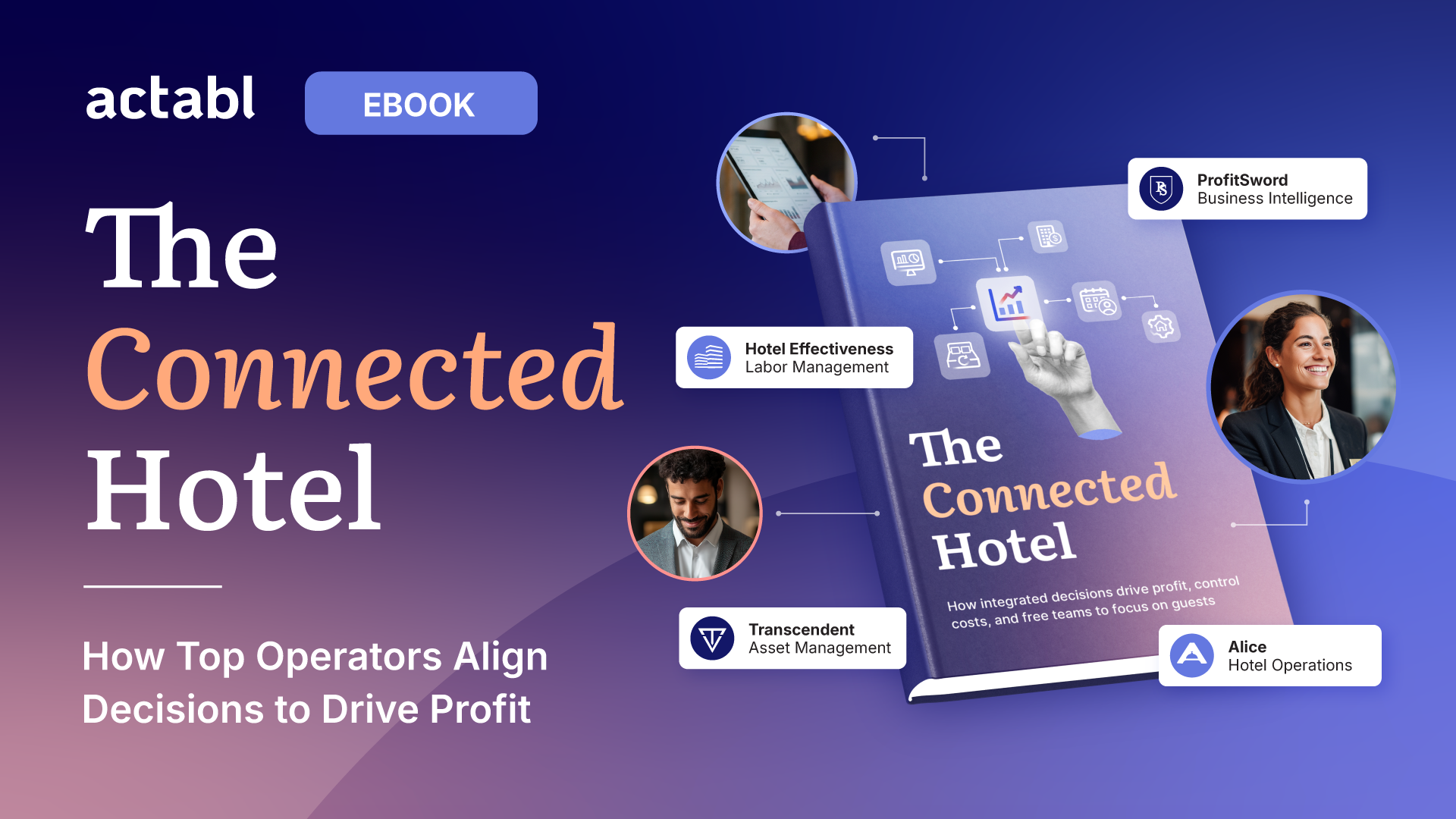
Explore how Alice supports connected hotel operations here.