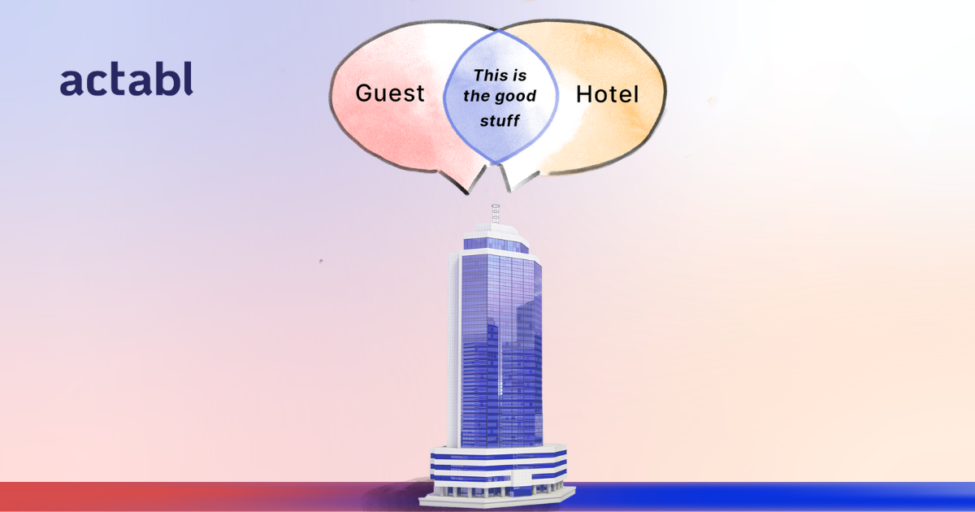
How Hotel Software Improves Guest Experience Without Losing the Human Touch
Hotel technology should not replace hospitality.
It should protect it.
Guests expect faster communication, cleaner handoffs, and fewer points of friction. They want to message the hotel from their phone, get clear answers, and trust that requests will not get lost between departments.
At the same time, they still expect warmth, judgment, and personal attention.
That balance has become harder to manage.
Staffing remains tight. Operating costs remain under pressure. Guest expectations continue to rise. Many hotel teams are still trying to deliver modern service with manual processes, disconnected systems, and limited visibility.
That is where hotel software for operations, housekeeping, guest messaging, and more has become essential.
Not as another layer of technology, but as the system that helps hotel teams work faster, coordinate better, and focus more attention on guests.
Why Guest Experience Breaks Down
Guest experience problems rarely begin with a lack of care.
They begin with a lack of visibility.
A guest sends a request to the front desk. Housekeeping tracks room status in another workflow. Engineering manages work orders somewhere else. Concierge notes sit with one team member. Managers rely on radio calls, shift notes, or memory to understand what is happening.
The result is predictable.
Requests get missed. Teams duplicate work. Guests repeat themselves. Service becomes reactive.
This is where many hotels lose the human touch. Not because they use too much technology, but because their teams lack the operational clarity needed to deliver the kind of service guests expect.
A guest does not experience the hotel by department. They experience whether the hotel follows through. And this is where technology such as the Alice hotel operations platform is essential. It handles guest messaging, housekeeping, service delivery, guest services, and concierge workflows. That matters because each of those functions touches the guest experience.
The Shift From Manual Follow-Up to Connected Service
Hotel software changes how teams manage guest service.
Instead of relying on disconnected tools, teams can work from one view of what needs to happen next. Requests have owners. Tasks have status updates. Escalations are clearer. Managers can see where service is slowing down before it affects the guest.
This shift is not about making hospitality less personal. It’s about making personal service easier to deliver.
The strongest hotel teams don’t use software to remove people from the guest journey. They use it to remove friction from the work around the guest journey.
That distinction matters.
- A pre-arrival message can be automated. A service recovery moment should not be.
- A room status update can move through a system. A warm welcome still comes from a person.
A room-ready notification can let the guest know when their room is ready, so they can make the most of their time at the destination rather than waiting in the lobby. - A maintenance issue can become a tracked work order. The fix, explanation, and follow-up still require human judgment.
The goal is not less service. It is better-supported service.
Where Hotel Software Improves Guest Experience
Guest messaging Timely communication reduces uncertainty. Guests want clear information before arrival, during the stay, and at departure. Guest messaging software helps hotels manage routine communication while keeping staff available for higher-value conversations.
Explore how this works: https://actabl.com/operations-software/guest-messaging/
Housekeeping and room readiness A clean, ready room is one of the first tests of guest experience. Housekeeping software gives teams better visibility into room status, assignments, and requests. That helps the front desk answer guests with confidence and helps managers spot bottlenecks earlier.
Explore housekeeping software: https://actabl.com/operations-software/housekeeping/
Service delivery Guest requests often move across departments. Service delivery software helps teams assign, track, and complete those requests without losing ownership. This reduces missed tasks and improves accountability.
Explore service delivery: https://actabl.com/operations-software/service-delivery/
Concierge and guest services Personal service depends on details. Concierge software helps teams manage reservations, itineraries, vendor information, guest preferences, and follow-up. Staff still provide the recommendation, context, and care. Software helps them keep the details organized.
Explore guest services and concierge: https://actabl.com/operations-software/guest-services-concierge/
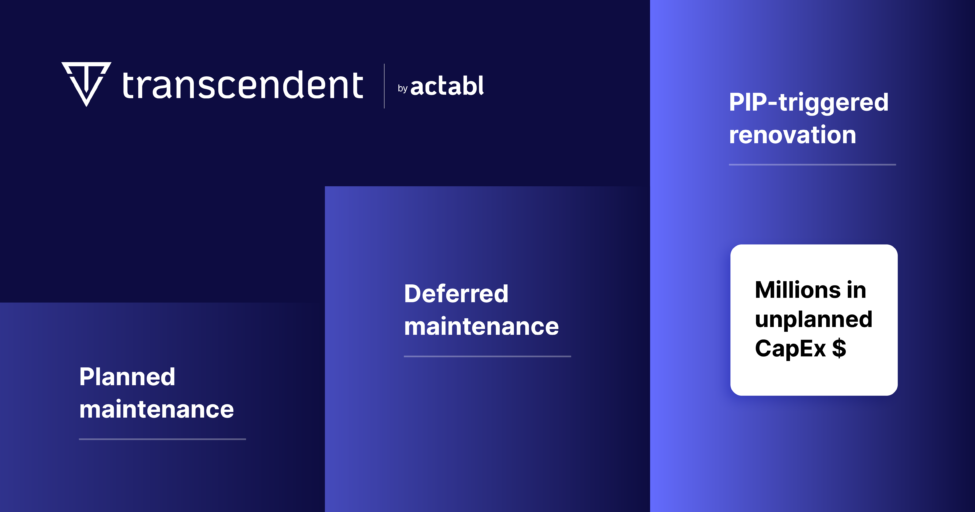
Maintenance and asset management Some guest complaints reveal deeper operational issues. A noisy HVAC unit, a broken fixture, or a recurring room defect should not be trapped in a one-time service ticket. Actabl’s Alice and Transcendent integration connects hotel operations with asset management to improve operations and guest experience.
Explore enterprise asset management: https://actabl.com/operations-software/enterprise-asset-management/
Labor alignment Service also depends on staffing. When hotels staff below demand, guests wait longer. When they overstaff, margins suffer. Hotel Effectiveness helps teams align staffing to real demand so operators can protect service without overspending.
Explore Hotel Effectiveness: https://actabl.com/hotel-effectiveness/
How Connected Operations Protect the Human Touch
The human touch is often treated as something separate from technology. It is not.
The human touch depends on time, context, and follow-through.
If a front desk agent spends the shift chasing room updates and service requests, they have less time to engage with their guests. If a concierge rebuilds itineraries manually, they have less time to improve recommendations. If Engineering misses repeat issues, staff spend more time apologizing for avoidable problems. If managers cannot see staffing risk, service suffers before they know where to act.
Connected hotel software helps teams protect those moments.
It gives staff the information they need to respond with confidence. It gives managers a clearer view of what is delayed, unresolved, or at risk. It gives guests a smoother experience without removing the people who make hospitality meaningful.
At Commonwealth Hotels, leadership framed visibility as a management necessity. Debbie Farrell, Vice President of Analysis, said, “This is your scorecard. It’s how you know you’re running a successful hotel. What are the owner's expectations? The company's expectations? Are you meeting them? You can’t manage what you can’t see.”
That principle applies beyond financial performance. Hotels cannot improve service they cannot see.
Why Automation Alone Is Not Enough
Automation is often positioned as the solution to operational pressure.
That is too narrow.
Automation helps when it removes repetitive work, improves consistency, or speeds up a known workflow. It creates risk when it replaces judgment in moments that require care.
Hotels need both.
They should automate routine messages, task routing, room status updates, reminders, and reporting. Those workflows do not need to consume staff attention every day.
But people should remain central to service recovery, VIP recognition, local recommendations, special requests, complaints, and emotional moments.
This is how hotels balance automation and service. They let software handle the predictable work so staff can focus on the unpredictable moments.
What Hotel Teams Are Saying
Across HotelTechReport reviews, operators point to the same outcomes: clearer communication, stronger task management, easier coordination, and better guest service.
For Alice Guest Services by Actabl, HotelTechReport lists a 4.6 rating based on 733 reviews and ranks the product first among 40 concierge software products. HTR also notes that 92% of hotels recommend Actabl.
HotelTechReport’s review summary says hoteliers praise Alice Concierge for streamlining guest service tasks, such as itineraries, reservations, and communication, while supporting efficiency and personalization.
Verified reviews reflect the same theme:
“This application is a wonderful tool for our concierge team where we are able to communicate with guests, make reservations, and record events. It makes our job easier and we are ecstatic to be working with Actabl!”
“It makes it easy to submit requests for guests and communicate with other departments on their behalf. The system is user-friendly and visually appealing, which makes it simple to navigate. I also appreciate the ability to expedite requests when something urgent comes up.”
For Alice Housekeeping, reviews point to communication and room-level coordination:
“We use this daily to communicate with other departments in the hotel, supervisors on the floors can report issues and we can get the info to the right person super quick and easy.”
“The guest request mode, the assignment of tasks and follow up to ensure excellent guest service. Worked on similar software for more than 30 years, this outdoes them all!”
The pattern is clear: hotel teams value software most when it helps them serve guests with more clarity and less friction.
Why This Matters for Hotel Operators
Guest experience is no longer only a front-of-house issue.
It depends on the full operation.
Housekeeping affects arrival. Engineering affects comfort. Concierge affects personalization. Labor planning affects response time. Business intelligence affects how quickly leaders see pressure building across the property or portfolio.
This is why disconnected systems create risk.
A hotel may have strong teams in every department and still deliver inconsistent service if information does not move between them.
The same challenge appears in labor management. Actabl’s labor pillar notes that fragmented communication and static forecasting lead hotels to overstaff when demand softens, understaff when demand spikes, and lose margin through inefficiency and service inconsistency.
At Aperture Hotels, Charles Oswald, CEO, described the benefit of aligning staffing to demand:
“With Hotel Effectiveness, we were able to maintain tighter control over labor and align staffing to real demand, putting the right people in the right place at the right time.”
That is also a guest experience strategy.
When staffing matches demand, teams respond faster. When managers have visibility, they can adjust before service slips. When departments work from shared information, guests feel the difference.
From Operational Software to Better Hospitality
Hotel software is often framed as a way to improve efficiency. That is true, but incomplete. The stronger opportunity is service consistency.
When teams have better tools, they can deliver more reliable hospitality across shifts, departments, and properties. They can see what needs attention. They can respond faster. They can reduce the manual work that pulls staff away from guests.
This is where the human touch becomes more scalable.
Not because software delivers the hospitality, but because it gives people more space to deliver it well.
Leading operators already think about technology this way. At Hotel Equities, David Rosenberg, Executive Vice President of Operations, said the company evaluates tools through the lens of whether they make the General Manager a better businessperson and drive results.
That same question should guide guest experience technology.
- Does it help teams act faster?
- Does it improve communication?
- Does it reduce missed requests?
- Does it help managers see risk earlier?
- Does it give staff more time with guests?
If the answer is yes, the technology supports hospitality rather than replacing it.
Moving Forward
The next step is not adding more technology for its own sake. It is connecting the workflows that shape the guest experience.
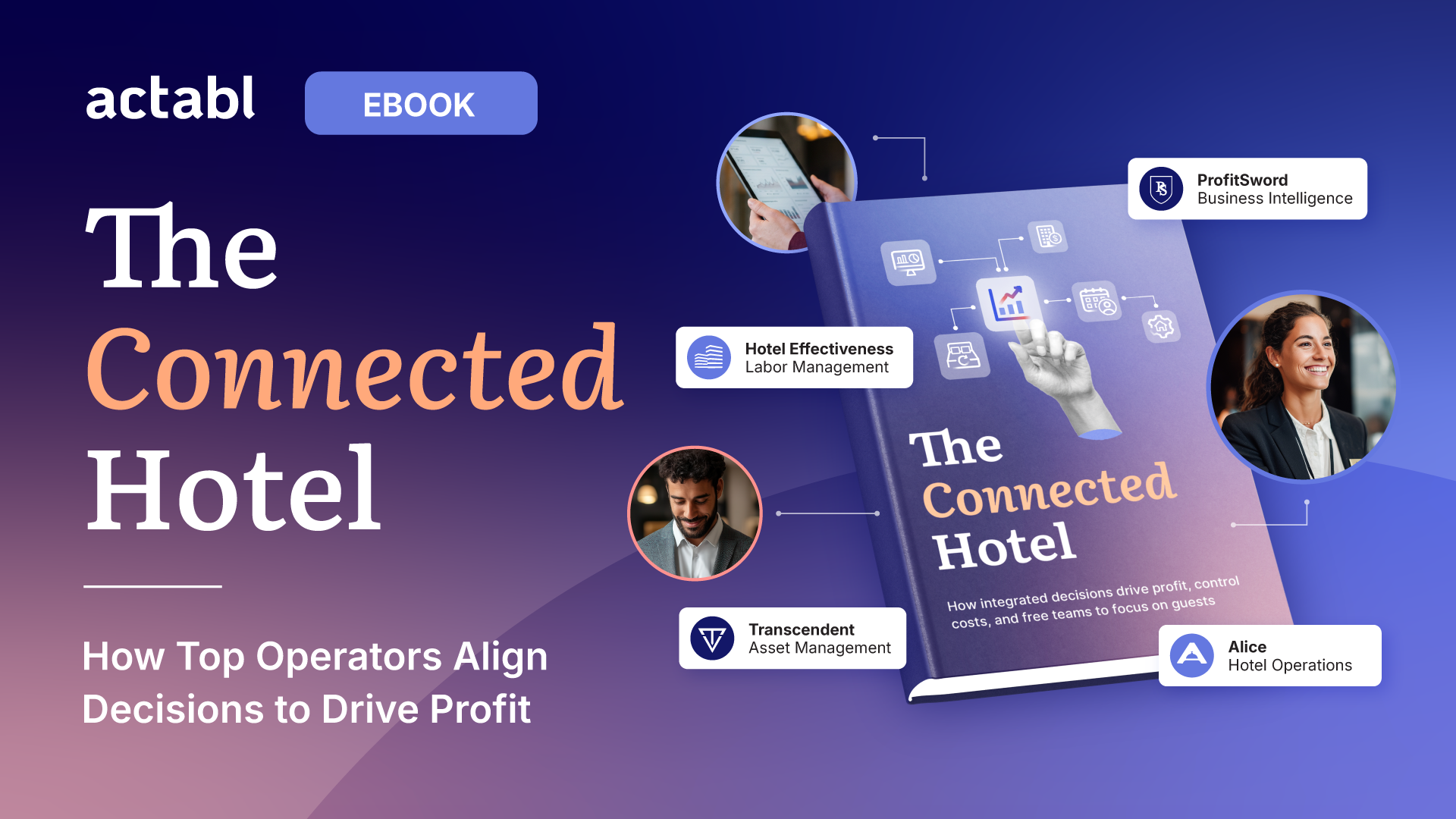
Hotels that connect guest messaging, housekeeping, service delivery, concierge, labor management, business intelligence, and asset management gain a clearer operating advantage. They can reduce friction, support staff, and protect the service moments guests remember.
The human touch does not disappear when hotel software works well. It becomes easier to deliver.
Explore how Alice supports connected hotel operations: https://actabl.com/alice/