How Prospera Hotels Found Hidden Margin in Housekeeping
What minutes per occupied room reveals about hotel labor productivity and how innovative operators are acting on it
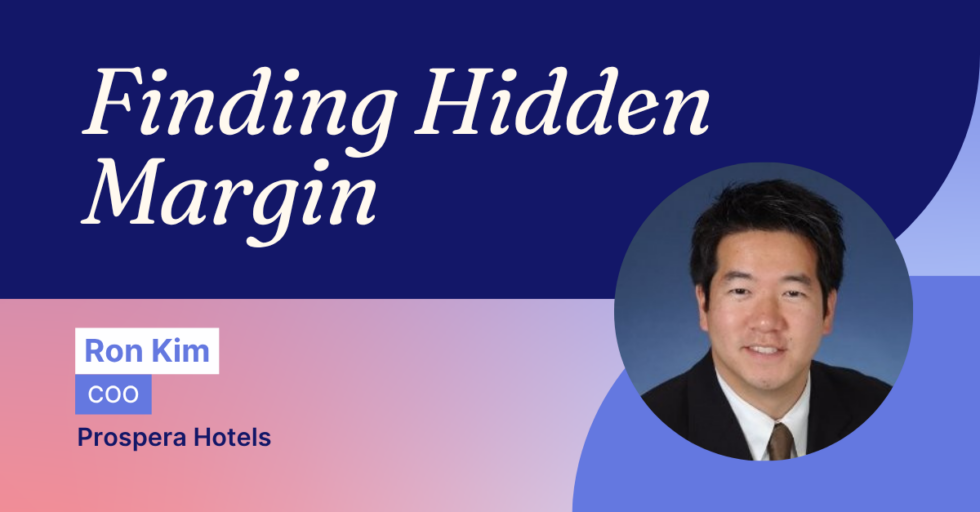
One minute may not sound like a lot, but Ron Kim, Chief Operating Officer at Prospera Hotels, knows how much it means to hotel labor productivity, both for the associates working to deliver a great guest experience on property and to the leaders above property looking at the P&L.
In the latest labor report from HotelData.com, select-service hotels saw a 3.5% decrease in labor hours per occupied room and full-service hotels saw a 3.1% dip. At an even more granular level, labor minutes per occupied room declined across all hourly housekeeping positions in both hotel types. Select-service hotels saw a 5% decline in housekeeping MPOR, from 24.01 minutes to 22.82. Full-service hotels saw a 2.7% decline in MPOR, from 26.34 minutes to 25.62.
“That is the heart of the hotel,” Kim said of housekeeping. “They are tireless workers.”
It’s that belief that housekeeping isn’t just a cost center to be managed but the engine driving the guest experience that shaped how Prospera Hotels approached its own labor challenges when costs started climbing two years ago.
A study that started in the laundry room
Kim, whose portfolio at Prospera includes a mix of Full Service, Select Service, and Extended Stay properties, focused on the minutes per occupied room (MPOR) metric when labor costs were rising faster than revenue in 2024.
“Where you start to see concern from an ownership perspective is when you look at your expense margins and GOP margins,” he said. “If our GOP margins are starting to shrink and we see that it's labor-driven, then that's a concern. We need to then shift into how we can become more productive.”
When that happened, Kim knew where to start. The first step was conducting a housekeeping study.
“We looked at everything from laundry to cleaning the room,” he said. “Is there enough folding space? Is there enough storage space? Because if not, that all takes time. And it links throughout the process.”
What Prospera found was that it all starts in the laundry room. If linen levels are off, the room attendants end up waiting. Prospera targets three sets cycling at all times: one set on the beds, one clean and ready on the shelf, and one in the wash. A cart that isn’t restocked the night before costs time every morning before a room is even touched.
“At the end of the day, or overnight, we would stock the housekeeping carts for the room attendants the next day,” Kim said. “We wanted the house persons to strip the rooms, not the room attendants.”
That role clarity is the type of operational detail that may not show up in a labor report, but it will in your minutes per occupied room.
Read the room and empower the team
The operational changes didn’t stop in the laundry room. Kim also pushed his team to rethink how room attendants approached the rooms themselves.
With Prospera’s family-driven properties near Disneyland Resort, not every room is the same. A family of six on night three of a vacation doesn’t always leave behind an easy room to clean with clothes and toys spread all over.
“If that room looks like that, just take out the trash, change the linens and that’s all you can do,” Kim said. “We have to be practical and smart about how we clean.”
That meant empowering room attendants and house persons to assess a room and react, applying a light touch when a full clean isn’t realistic rather than spending 15 extra minutes falling short of a standard that may not have been achievable.
It also meant thinking about safety and taking stock of bunk beds common in many of Prospera’s properties. “Just fold the sheets nicely and then the guests can make the bed if needed,” he said, noting that it saves time and reduces the risk of an associate injury climbing up and down steps.
Tracking the metrics that matter
Good analysis and process changes can move the needle, but knowing whether they actually are requires visibility into the data.
Kim tracks MPOR at the associate level with Actabl’s Hotel Effectiveness and that gives his team a clearer picture than aggregated labor reports.
“You can see how productive that individual person is based on their assignment,” he said. “You can see who are your more efficient workers and who are not.”
That opened the door to new conversations with both. For the efficient workers, did they want to take on more responsibility or more rooms, and earn more? For the others, it became a coaching moment.
And for Kim, overtime became far easier to manage rather than reacting after the fact. He said zero overtime became the goal, and Prospera had some months where hotels hit that.
The compounding value of a minute
Although room attendant wages rose approximately 3% in H1, the impact of finding that one minute goes far beyond labor costs and the P&L.
“If you have happy employees, you’re going to have less turnover, more stability, and happy workers who are motivated,” he said. “How we treat our employees and how we manage turnover is important.”
Prospera runs monthly incentives, $50 to $100 gift cards, for room attendants who hit their cleanliness scores while keeping overtime low. Turnover is tracked quarterly, tied to manager accountability, and treated as a signal that something is off rather than just a staffing cost to absorb.
One minute per occupied room may not seem significant. But what drives it, the laundry room setup, the role clarity, the empowered employee, the data that shows what’s working, can be meaningful across a portfolio, over the course of a year, and to a team that feels valued enough to stay.