Your Engineers Aren’t Inefficient. The System Is.
Before looking at the data, start with what your engineering team will tell you if you ask: they are not standing around. They are busy. They are responding to urgent requests, fixing the same equipment for the third time this quarter, and running between floors because something else just broke.
The problem is not effort. It’s how the work is structured.
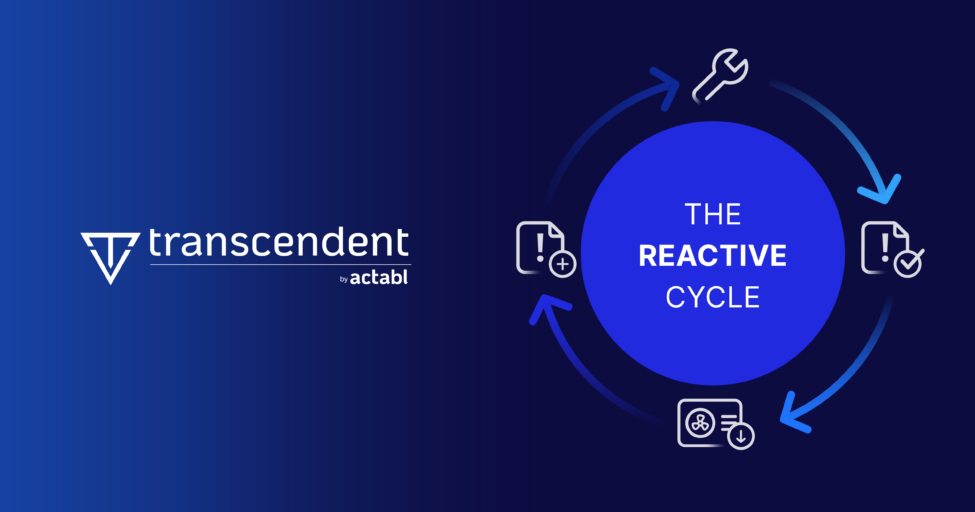
The Reactive Loop
Most hotel engineering operations run on a reactive model, not by design, but by default. An urgent request comes in, pulling an engineer off a scheduled preventive maintenance task. That task slips. The equipment it was meant to protect goes unserviced. It degrades. A new urgent request follows.
The cycle repeats across shifts, across properties, and across the portfolio. Each individual decision makes sense in the moment. The guest-facing issue takes priority; the scheduled task can wait. But the cumulative cost of those decisions is significant and difficult to trace until it shows up at budget time as higher labor spend, more overtime, and more emergency vendor calls.
The Data Behind the Problem
HotelData.com's 2025 research quantified what many operators already felt. Maintenance Engineer labor cost per occupied room increased 7.5%, the steepest rise across all hotel roles tracked. Hourly wages rose 4.0%. Minutes per occupied room climbed 3.4%. Both trends compounded simultaneously.
What makes maintenance labor different from housekeeping or front desk staffing is that it does not flex with occupancy. Equipment needs attention whether the hotel is at 60% or 95%. That means the traditional response to rising labor costs, adjusting schedules based on demand, has a limited effect on maintenance departments.
How Transcendent Breaks the Loop
Transcendent shifts maintenance from reactive response to planned execution. Preventative maintenance schedules are tracked, completed, and verified, not just created and hoped for. Work orders are centralized and prioritized based on asset criticality, so engineers focus on the equipment with the greatest operational and financial impact rather than whichever request came in last.
That structure reduces the avoidable failures that generate emergency work in the first place. When routine tasks are completed consistently, the volume of reactive requests decreases. Engineers work through a prioritized plan instead of responding to whatever surfaced most recently.
The shift is measurable. When reactive work decreases, engineers spend less time on repeat issues and emergency fixes and more time on preventative tasks that reduce future workload. Output increases without increasing headcount. Across a portfolio, that translates into lower cost per room and better alignment between labor spend and actual operational need.
A More Sustainable Model
There is a human dimension to this as well. Engineering teams that operate in constant reactive mode burn out. Turnover in maintenance roles adds recruiting, training, and institutional knowledge costs on top of the labor efficiency problem.
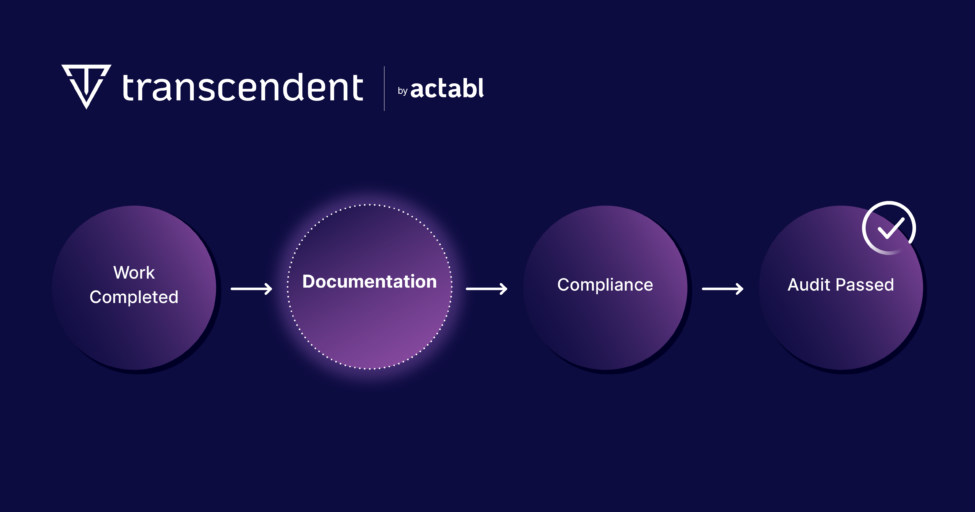
When work is planned, completed in sequence, and documented, the job becomes more manageable. Engineers can see what is expected, complete it with context, and move to the next priority without constant interruption. That consistency improves both efficiency and, over time, retention.
Your engineering team is not the problem. The system they are working within is. Transcendent gives them, and the operators managing them, a better one.
This is one of seven hidden cost areas covered in our full eBook: 7 Hidden Ways Asset Management Software Is Saving Hotels Money. Download now.